
Best AA Game: A Practical Guide to Choosing a Reliable Card App
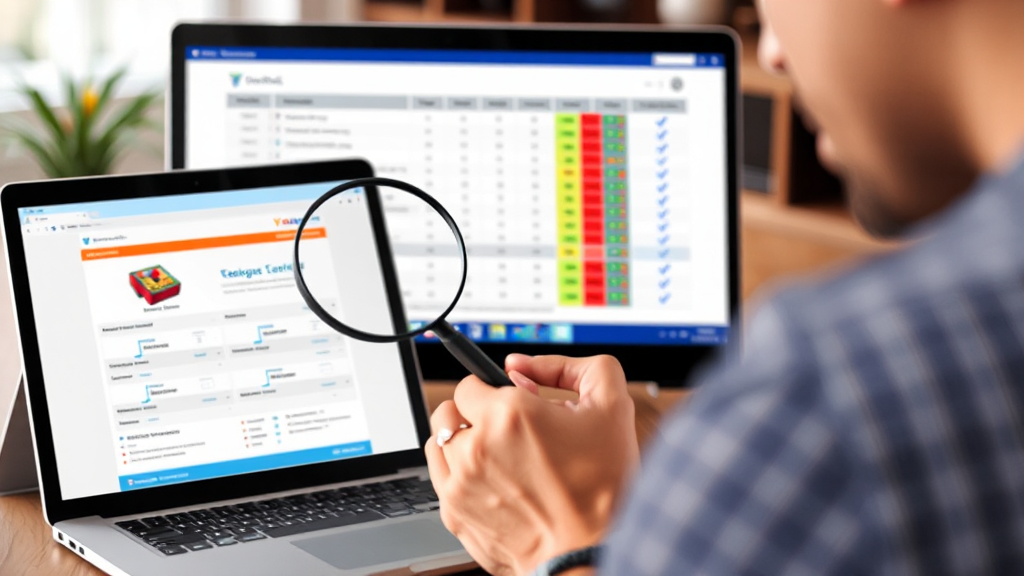
Searching for the Best AA Game usually starts with a simple wish: you want a card app that feels fair, loads quickly, and does not waste your time with confusing menus or unclear rules. The problem is that app stores and search results are crowded, and almost every listing claims to be the top choice. That is why a structured comparison approach works far better than chasing hype. Instead of trusting a single review, you can learn which signals actually matter — bonus terms, payout cues, download verification, and responsible-play tools — and then judge each app on those signals yourself.
This guide walks through the practical side of evaluating AA-style card games. It is written for adults who want a clear framework, not a sales pitch. By the end, you should be able to open any app listing, read it critically, and decide whether it deserves a place on your phone.
What People Mean by the Best AA Game
The phrase “AA game” gets used loosely in gaming circles. In most conversations, it refers to a card-based app that sits in the middle ground between casual time-killers and heavyweight titles — polished enough to feel serious, but light enough to open during a short break. When people ask about the best AA game, they are usually asking about a specific combination of qualities: smooth performance, readable card tables, sensible bonus structures, and a support team that actually responds.
That combination is personal. A player who cares about daily bonuses will rank apps differently from someone who mainly wants fast tables and minimal pop-ups. So the honest answer is that the best AA game depends on what you value, and the only way to find your answer is to compare apps side by side using the same criteria.
Why Independent Scorecards Beat Marketing Claims
App marketing is designed to make every product look like the obvious winner. Screenshots are staged, bonus numbers are printed in the largest font, and fine print is tucked away. Independent review sites exist to cut through that. A good review page does not just repeat the app’s own claims — it lists bonus conditions, notes payout processing cues, and verifies that the download link actually leads where it says it does.
This is where a comparison-first mindset pays off. When several apps are scored on the same categories, patterns appear. You start noticing which apps consistently explain their terms and which ones bury them. You also notice which apps update their scorecards over time, because an app that was strong last year may have changed its bonus rules since then.
The Criteria That Actually Matter
Not every feature deserves equal weight. Based on how comparison scorecards are typically built, here are the categories worth checking before you install anything.
Bonus Clarity
A bonus is only useful if you understand it. Look for apps that state the bonus amount, any usage conditions, and the time window in plain language. If a listing shows a big number but no explanation, treat that as a warning sign rather than an advantage. Clear terms are a better indicator of a trustworthy app than a large but vague offer.
Payout Cues
Payout information is often the hardest thing to verify, because processing times depend on many factors. Still, you can compare cues: does the app publish a support channel, does it explain how requests are handled, and do independent reviewers report consistent experiences? Apps that are transparent about process tend to be easier to deal with than apps that stay silent until you ask.
Download and Installation Checks
Before installing any card app, confirm the source. Check that the download page matches the official listing, that permissions requested make sense for a card game, and that the app has a visible update history. A quick verification step takes two minutes and prevents most unpleasant surprises.
Interface and Performance
A card app lives or dies by its table experience. Cards should be legible, animations should not lag, and the app should handle a weak connection gracefully. If a demo or practice mode is available, use it. Ten minutes in practice mode tells you more about performance than any promotional video.
How to Compare Apps Step by Step
Here is a simple routine you can repeat for any app you are considering.
- Shortlist three apps. Do not try to evaluate ten at once. Pick three that appear repeatedly in comparisons.
- Read the scorecard for each. Note bonus details, payout cues, and any download warnings.
- Check the fine print. Look for conditions attached to bonuses and any eligibility requirements.
- Test in practice mode. Judge responsiveness, readability, and battery drain.
- Review support options. Send one simple question and see how long a reply takes.
- Decide with a cooling-off period. Wait a day before committing to anything involving money.
This routine is deliberately slow. Speed favors the app’s marketing team; patience favors you.
Common Mistakes When Picking a Card App
Most disappointing experiences trace back to a handful of avoidable mistakes.
- Chasing the biggest bonus. The largest advertised number is often the one with the strictest conditions.
- Skipping the download check. Installing from an unofficial mirror is one of the most common sources of problems.
- Ignoring update history. An app that has not been updated in a long time may have unresolved issues.
- Playing without limits. Deciding your time and spending limits after you start is much harder than deciding them before.
- Trusting a single review. One glowing review means little; consistent patterns across several sources mean a lot.
Responsible Play Should Be Part of the Comparison
Any honest ranking of card apps has to include player safety. Real-money card apps are intended for adults aged 18 and over, and responsible-play tools are not optional extras — they are part of what makes an app worth using. When you compare apps, check whether limit-setting options are easy to find, whether session reminders exist, and whether the app provides clear information about taking breaks.
An app that makes limits hard to locate is telling you something about its priorities. An app that surfaces them in the settings menu is easier to trust. Treat this category as seriously as bonus size, because it affects you far more in the long run.
Building Your Own Shortlist
Once you have applied the criteria above, you will probably find that your shortlist looks different from the most heavily advertised apps. That is normal and healthy. Your shortlist should reflect your habits: how often you play, what device you use, and how much you care about bonus flexibility versus table speed.
Revisit your shortlist every few months. Apps change their terms, update their interfaces, and adjust their support channels. A scorecard that was accurate in January may need revision by summer. Keeping your list current is the single easiest way to avoid outdated assumptions.
Frequently Asked Questions
What makes an AA card game worth installing?
Clear bonus terms, verifiable download sources, responsive support, and a smooth table experience. If any of those are missing, keep looking.
Are bigger bonuses always better?
No. A large bonus with complicated conditions can be worth less than a modest bonus with simple, transparent terms. Always read the details before comparing amounts.
How can I verify an app download is safe?
Use the official listing, check that requested permissions make sense for a card game, and confirm the app has a recent update history. Avoid third-party mirrors.
Why do independent scorecards matter?
They apply the same criteria to multiple apps, which makes differences visible. Marketing pages only describe one app, so they cannot show you how it compares.
What should I do if I feel I am playing too much?
Use the app’s limit-setting and session reminder tools, take a break, and seek support if needed. Responsible play should be a normal part of using any real-money card app.
Final Thoughts
Finding the best AA game is less about discovering a hidden gem and more about applying a consistent method. Compare bonuses by their terms, check payout cues, verify downloads, test performance, and treat responsible-play features as a core requirement rather than an afterthought. Do that, and the right app for your habits will become obvious — and you will not need to rely on anyone else’s hype to feel confident in the choice.